
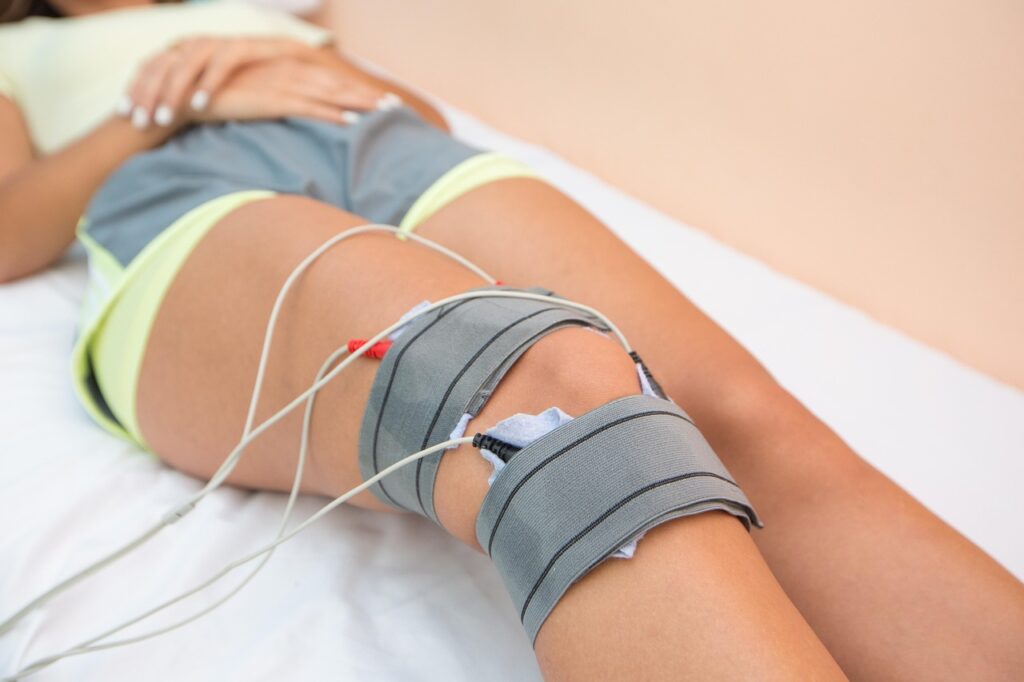
Recovering after knee surgery is a gradual process, not a race to hit a particular milestone. The right plan depends on the procedure, your health, and your surgeon’s instructions. Rehabilitation after an ACL reconstruction, for example, differs from recovery after a knee replacement. Use your surgical team’s guidance as the starting point, and ask your physiotherapist how each exercise fits your specific plan.
Start with the instructions you were given
Before increasing activity, check your discharge information for limits on weight-bearing, brace use, wound care, and movement. Some procedures call for specific precautions or a staged progression. If instructions are unclear, contact your surgeon’s office rather than guessing.
Early rehabilitation often focuses on comfortable, controlled movement and the tasks you need at home. Depending on your procedure and current stage, that may include walking safely, getting in and out of a chair, or practicing exercises prescribed by your care team. Do the amount recommended; doing extra repetitions or pushing through sharp pain is not a shortcut.
Use your knee’s response to guide activity
Pay attention to how your knee feels during an activity and later that day or the next morning. A change in discomfort or swelling can be useful feedback that the current amount of activity needs adjusting. If symptoms increase, pause and follow your care team’s advice before progressing. A physiotherapist can help distinguish a manageable response from a reason to modify your plan.
Progress is usually built by making small, purposeful changes. Your clinician may adjust exercise range, repetitions, resistance, or walking duration as your knee and overall function allow. Avoid comparing your recovery with someone else’s: two people having the same operation can still have different starting points and needs.
Build toward the activities that matter
As recovery advances, rehabilitation may address strength, balance, movement control, and confidence with tasks such as stairs, work, or sport. Returning to higher-demand activities should be based on your procedure-specific plan and your readiness, not just the number of weeks since surgery. Bring up your real goals early so your exercises can relate to them.
Contact your surgical team promptly if you have concerns about your incision or symptoms that are getting worse, and seek urgent medical advice for severe or sudden symptoms. At Momentum Physiotherapy in Burnaby, post-surgical rehabilitation includes ACL and joint-replacement recovery; you can get in touch to ask whether an assessment fits your stage of recovery.
This article is general information, not medical advice, and it may not reflect the latest rules or your own situation. Talk to Momentum Physiotherapy about your circumstances before acting on it.