
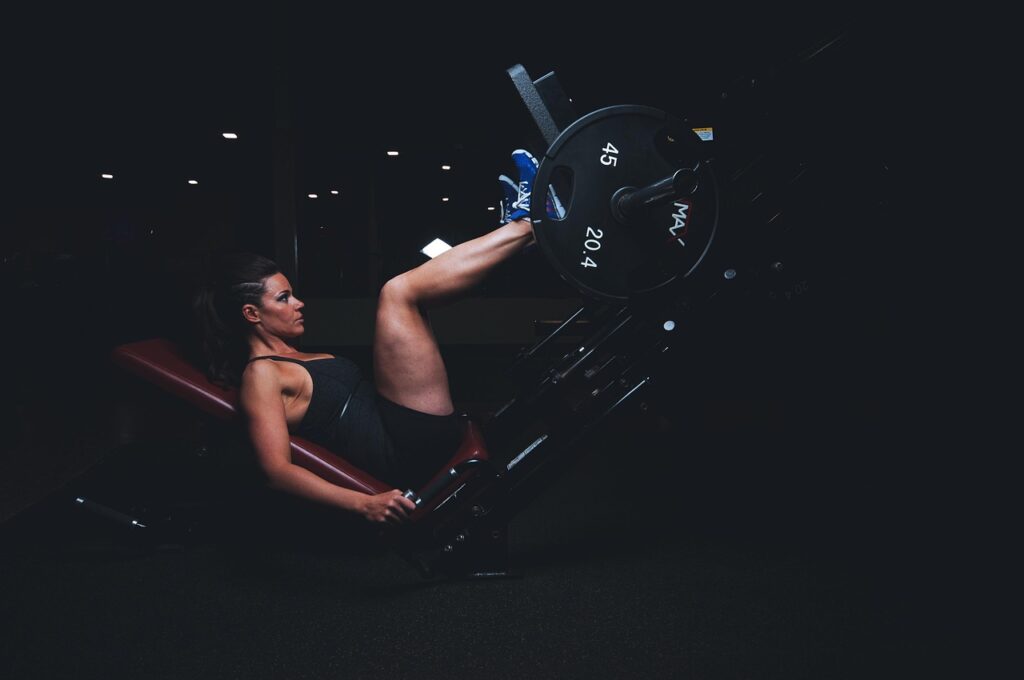
After knee surgery, it can be tempting to measure progress by how quickly you return to your usual activities. Recovery is usually more useful to think of as a series of stages: first protecting the knee and restoring comfortable movement, then building strength and control, and finally preparing for the activities that matter to you. The pace depends on the procedure, your health, and your surgeon’s instructions.
Start with the plan for your specific surgery
ACL reconstruction and knee replacement have different rehabilitation needs. Follow the weight-bearing limits, brace instructions, and exercise guidance provided by your surgeon and care team. A physiotherapist can help you understand how to do your prescribed exercises and adjust them as your knee responds. Avoid adding exercises or increasing activity simply because a friend had the same operation; their procedure and recovery may be different.
In the early phase, the goals often include managing swelling, regaining knee motion, waking up the muscles around the knee, and moving safely. Short, regular bouts of the exercises you have been cleared to do may be easier to manage than one long session. If pain or swelling noticeably increases after an activity, tell your care team and ask whether to change the amount or type of exercise.
Build capacity before adding harder tasks
As movement and basic strength improve, rehabilitation can progress to exercises that challenge balance, control, and strength through a wider range of motion. Later, people returning to running or sport may need a more specific plan that tests strength and movement before increasing speed, distance, or direction changes.
- Use the exercise range and repetitions recommended for your stage.
- Increase one part of activity at a time, such as duration or resistance.
- Notice how the knee responds during exercise and over the following day.
- Keep follow-up appointments so progress can be reviewed and the plan adjusted.
Progress is not always a straight line. A more active day can bring temporary soreness or swelling, but persistent or worsening symptoms are worth discussing rather than pushing through. Contact your medical team promptly for concerns such as increasing redness, fever, sudden deterioration, or significant calf swelling or pain. Chest pain or shortness of breath requires emergency care.
Make the next goal specific
Choose a practical goal with your clinician, such as walking comfortably, using stairs, or preparing for a gradual return to running. At Momentum Physiotherapy in Burnaby, post-surgical rehabilitation includes ACL and joint replacement care, with a gym available for guided exercise. If you would like help planning your next step, contact the clinic or book an assessment online.
This article is general information, not medical advice, and it may not reflect the latest rules or your own situation. Talk to Momentum Physiotherapy about your circumstances before acting on it.